

What is fomo trading?
fomo is a consumer trading app built by FOMO Labs, Inc., a New York company. It lets you buy and sell crypto tokens on seven blockchains from a single account with one cash balance, so you do not need a separate wallet or a bridge for each network. The official website is fomo.family.
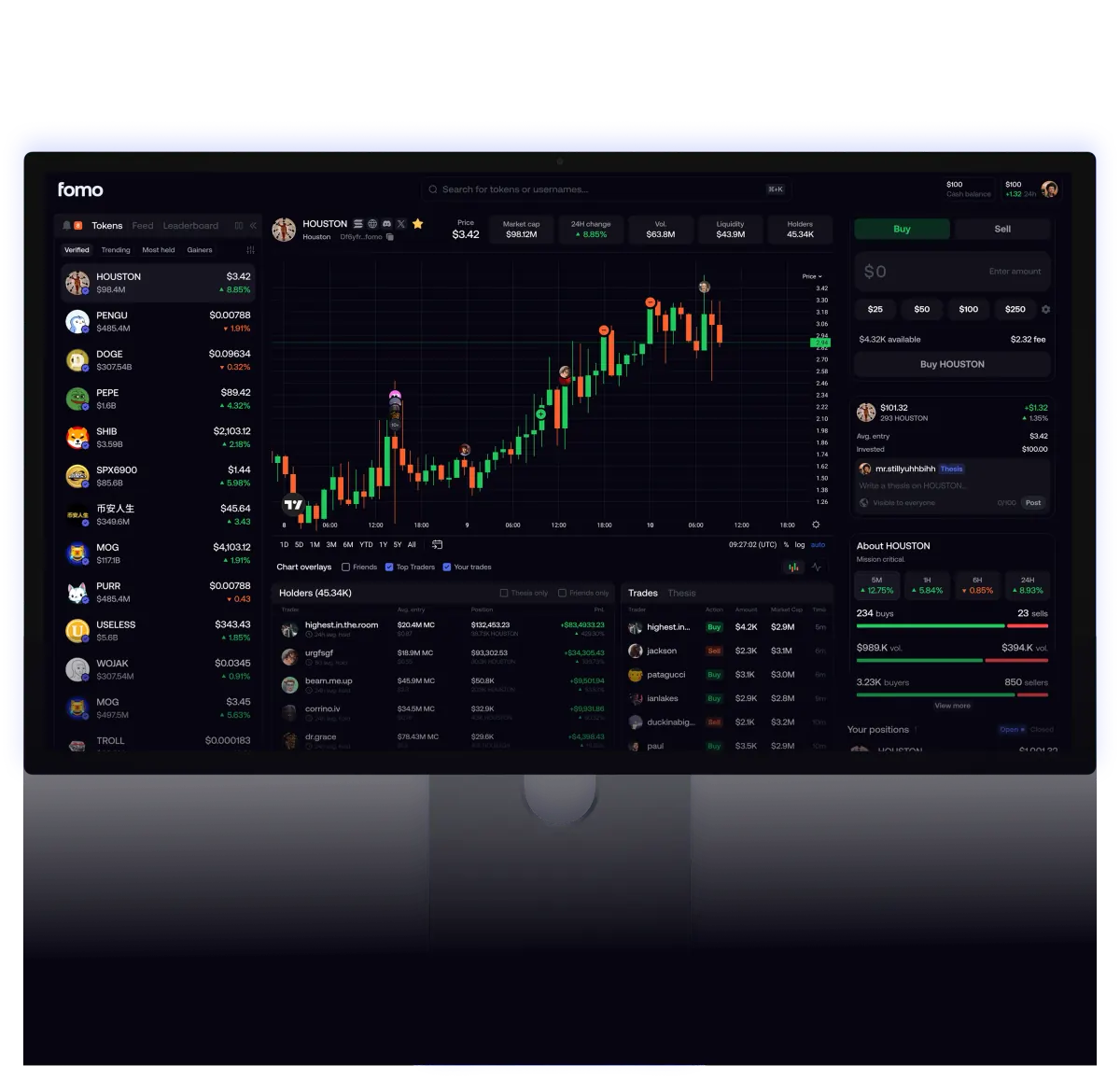
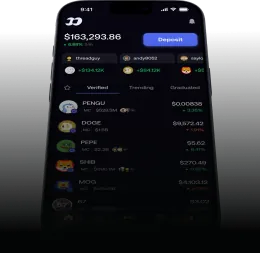
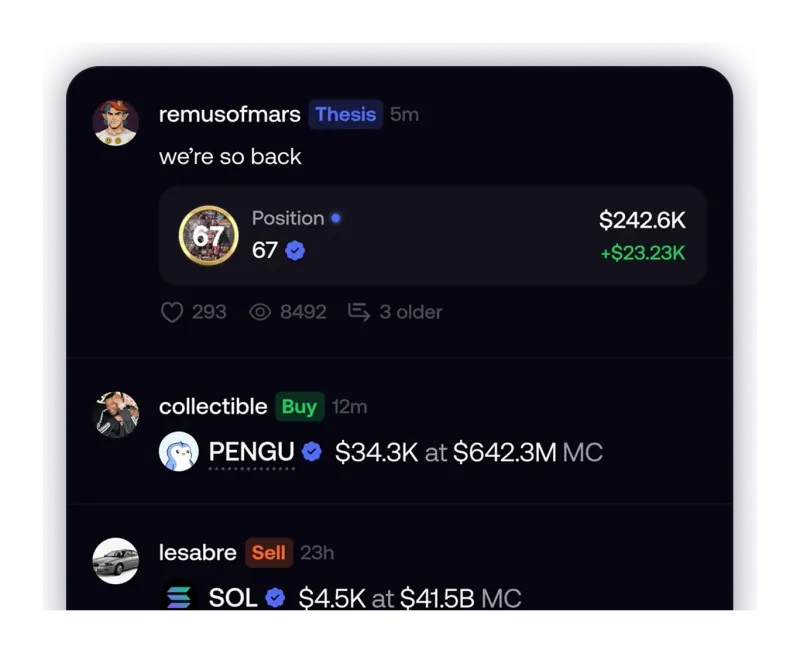
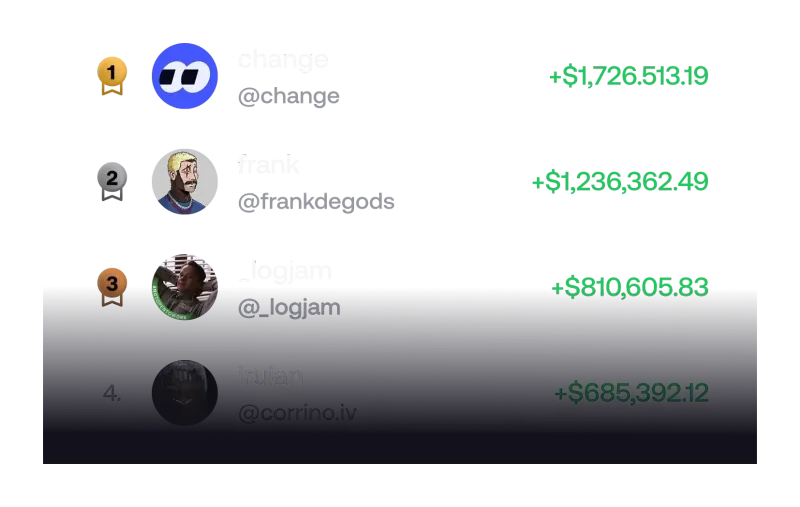
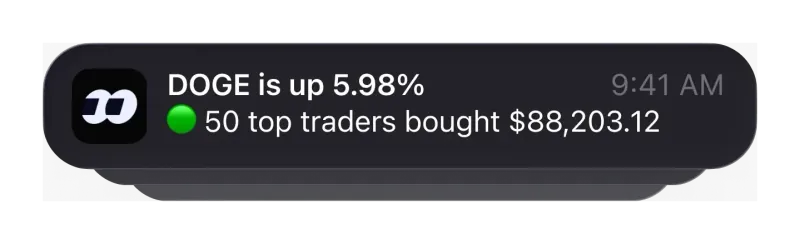
What makes fomo different from a plain exchange or a trading bot is the social layer, the basis of fomo copy trading. The home screen lists tokens with filters such as verified, trending and most held. A social feed shows trades from people you follow and from top traders, a leaderboard ranks traders, and each profile shows portfolio performance and activity. When a trader you follow buys or sells, fomo can notify you, and you decide whether to copy the trade.
In June 2026 fomo added perpetual futures powered by Hyperliquid and Trade[XYZ], covering crypto, equity, index, commodity and pre-IPO markets with isolated margin. The same month FOMO Labs announced a $75 million Series B led by Index Ventures and said the app had 600,000 users and more than $4 billion in trading volume.
Why open a referral link before you sign up?
Because the referral can only be attached to a brand-new account. fomo's help center says a referral code is applied on the signup screen and that there is no field in the app to enter one afterwards. Register straight from the app store without one and your account pays the full standard fee from then on.
With a referral attached, fomo lowers the standard 0.50% trading fee to 0.45% on every eligible trade for the life of the account. You do not type anything and you pay nothing extra. The referrer's reward comes out of fomo's own fee, not out of your balance. Pages promising far bigger discounts do not match fomo's documentation; we explain why on the fomo referral code page.
How much does fomo trading cost?
The trading fee depends on the chain and, on Solana, on the order size. On every chain except Solana you also pay the network fee on top of fomo's fee. This is the part many guides get wrong, so here is fomo's published schedule.
| Where you trade | fomo fee | Network fee |
|---|---|---|
| Solana, order under 5 USDC | flat 0.10 USDC | paid by fomo |
| Solana, 5 to 47.50 USDC | 2% | paid by fomo |
| Solana, 47.50 to 190 USDC | flat 0.95 USDC | paid by fomo |
| Solana, 190 USDC and above | 0.50% | paid by fomo |
| Base, BNB Chain, Monad, Robinhood Chain | 0.50% | paid by you |
| Ethereum | 0.50% | paid by you |
| Selected major tokens | 0.05%, minimum fee on small trades not published | depends on chain |
Two practical consequences. Very small Solana orders are expensive in percentage terms: a 10 USDC buy pays 2%. And on Ethereum the network fee can be larger than the trading fee for a small order. The full breakdown, including perps fees, is on the fomo fees page.
How do you start fomo trading?
Crypto deposits are USDC only, on Solana, Base or BNB Chain; sending another token, or USDC on another network, can lose the funds. The detailed walkthrough is in our step-by-step fomo sign-up guide.
Is the fomo trading app safe?
fomo describes its wallet as non-custodial. The wallet is generated and managed by Privy, a third-party wallet infrastructure provider. According to fomo, your private key is split into shares with Shamir's Secret Sharing and only reassembled inside trusted execution environments when a transaction is signed. Face ID protects app access, withdrawals and key export, and you can export your private key to use your funds in another compatible wallet. How to fund, withdraw and export is in our fomo wallet guide.
That design protects against some risks and not others. It does not protect you from buying a token that goes to zero, from sending USDC on the wrong network, or from phishing sites that imitate fomo. fomo's architecture article does not mention a third-party security audit. The details and the limits are on the fomo safety page.
Fomo app, fomo crypto, fomo family, fomo trade: what people actually mean
| What people type | What they usually mean | Answered on this page |
|---|---|---|
| fomo trading | Buying and selling tokens in the fomo app | Fees, chains and how to start, above |
| fomo app | The iPhone, Android or web app from FOMO Labs | What it does and what it costs, above |
| fomo crypto | The trading app, not a token called FOMO | The difference, below |
| fomo family | fomo.family, the official website and company | Who runs it and the real addresses, below |
| fomo trading app | Same app, longer name | Everything on this page |
| fomo trade | One trade placed inside the app | What a trade costs, above |
| fomo meme coin | Buying memecoins through fomo | Which chain and what it costs, below |
People search for the same product in different ways. A fomo trade is simply a trade placed in the app described on this page, and fomo trading app means the app itself. Fomo crypto can mean the app, but also unrelated tokens with FOMO in the name, which is why we wrote a separate page on fomo crypto and the FOMO token confusion. Fomo family usually means the official website, fomo.family, or the company behind it; our fomo family page lists the real addresses and how to spot fake ones. If you mainly want memecoins, start with how to trade meme coins on fomo.
Is the fomo trading app worth it?
For a new trader who wants to buy tokens on several chains without learning wallets, bridges and gas, the fomo trading app removes almost every technical step, and it holds a 4.8 rating from about 19,000 App Store ratings. The trade-offs are documented rather than hidden: small Solana orders pay a 2% tier, chains other than Solana add a network fee, first bank withdrawals can need extra verification, and trending tokens can collapse. Our fomo app review sets the praise in user reviews against the most common complaints.
Fomo trading guides by topic
| If you want to know | Read |
|---|---|
| Where to get the official app | fomo app download guide |
| How to create an account the right way | Sign-up guide |
| What each tab and setting in the app does | How to use the fomo app |
| How to fund, withdraw and export your key | Fomo wallet guide |
| What every trade costs, chain by chain | Fomo fees |
| How to place your first buy, step by step | Buying crypto on fomo |
| How following other traders works | Fomo copy trading |
| Buying memecoins, and the risks | buy meme coins on fomo |
| Finding a token to trade in the app | Trending, bonding and graduated lists |
| Whether fomo is a token or an app | fomo crypto explained |
| The official website and how to spot fakes | fomo family official website |
| Sending USDC in from an exchange | deposit USDC to fomo |
| What the trade feed shows | fomo social feed |
| Finding traders worth following | fomo leaderboard |
| Whether you need to send ID | fomo KYC rules |
| Whether Cash App, Venmo or PayPal work | Deposit methods that fail |
| What a specific trade will cost | fomo fee calculator |
| Who funds the company behind the app | fomo funding |
| Perpetual futures, and who cannot use them | fomo perps |
| Whether the app works in your country | fomo app countries |
| What users praise and complain about | Fomo app review |
| Fake sites, fake codes and token traps | Fomo scams and how to check |
| Using fomo on a desktop browser | The fomo web app |
| Signing in and account recovery | Fomo login guide |
| A referral that was never attached | Referral code troubleshooting |
| Price alerts and notifications | Fomo notifications |
| How little you can start with | Minimum deposit on fomo |
| Sending tokens out to another wallet | Sending tokens from fomo |
| Why a token shows a verified badge | Token verification explained |
| Whether limit orders exist | Limit orders on fomo |
| Record keeping at tax time | Fomo and crypto taxes |
| Habits that keep a beginner solvent | Beginner trading habits |
| How fomo compares with a self-custody wallet | Fomo compared with Phantom |
| How fomo compares with a stock broker app | Fomo compared with Robinhood |
| Paying with Apple Pay, and its limits | Apple Pay deposits on fomo |
| A debit card that keeps getting declined | Card deposits that fail |
| A token you bought but cannot sell | When a token will not sell |
| Moving your key into another wallet | Exporting your fomo private key |
| Deciding what to buy, and why | Writing a trade thesis |
| Getting paid for referrals | The fomo affiliate program |
| Closing an account for good | Deleting a fomo account |
| A transaction in your wallet you did not make | Unauthorized transactions explained |
| Reading your profit and loss | Fomo PnL explained |
| Whether bots and automation are allowed | Trading bots on fomo |
| How fomo compares with a memecoin-only app | Fomo compared with Moonshot |
| Changing slippage and understanding fills | Fomo slippage settings |
| Trading in a group and clan rankings | How fomo clans work |
Who should not use fomo?
- Anyone who cannot afford to lose the full amount they deposit. Memecoins in particular can fall to zero within hours.
- People in a restricted location. fomo's terms bar access from places including Crimea, Cuba, Donetsk, the Democratic Republic of the Congo, Iran, Libya, Luhansk, Myanmar, North Korea, Sudan, Venezuela and Yemen, plus sanctioned jurisdictions, and prohibit using a VPN to get around that.
- US persons who want perpetual futures. fomo perps are not available to US persons.
- Traders who mostly place very small Solana orders, where the 2% tier makes each trade relatively expensive.
What did we check, and what did fomo not publish?
We read fomo's trading fee article, its referral article, the Terms of Service dated 17 August 2026, its wallet security article, its deposit and withdrawal guide, the perpetuals launch post and the Series B press release, and last verified them on 9 October 2026. fomo does not publish which exchanges or launchpads it routes each chain's orders through, what card or Apple Pay deposits cost, the maximum leverage on perps, or a security audit, so we do not guess. Our process is on the methodology page, and how this site earns money is on the disclosure page.
frequently asked questions
What is fomo trading?
Fomo trading means buying and selling crypto in the fomo app, a social trading app from FOMO Labs, Inc. that runs on iOS, Android and the web at fomo.family. You can trade tokens on Solana, Base, BNB Chain, Ethereum, Monad, Robinhood Chain and Arc from one account and see what other traders are buying.
How much does a trade on fomo cost?
fomo charges 0.50% per trade on Base, BNB Chain, Monad, Robinhood Chain, Ethereum and Arc, plus the network fee on those chains. Solana uses tiers for small orders and fomo pays the Solana gas. A referral link applied at sign-up lowers the 0.50% rate to 0.45%.
Can I add a referral code after I create my fomo account?
No. fomo applies referral codes on the signup screen only, and its help center says there is no field in the app to add one later. If you missed it, the help center suggests contacting fomo support.
Is the fomo trading app custodial?
No. fomo describes its wallet as non-custodial. The wallet is generated and managed by Privy, a third-party wallet provider, and you can export your private key. You remain responsible for your own funds and for the tokens you choose to buy.
How does a fomo trade work?
You pick a token in the fomo app, enter an amount from your cash balance and confirm. fomo executes the trade on-chain on that token’s network, charges its trading fee, and on chains other than Solana adds the network fee. The token then shows in your portfolio, and you sell the same way.
Is the fomo trading app free?
Downloading and signing up are free on iOS, Android and the web. fomo makes money from trading fees: 0.50% per trade on most chains, tiered pricing on Solana, 0.05% on selected major tokens, and 0.45% for accounts created through a referral link.
What is the fomo app?
The fomo app is the social crypto trading app from FOMO Labs, Inc., available on iPhone, Android and the web at fomo.family. It creates a wallet for you at sign-up and lets you trade tokens on Solana, Base, BNB Chain, Ethereum, Monad, Robinhood Chain and Arc from one cash balance, while showing what other traders buy.
Is fomo crypto a token or an app?
An app. Fomo crypto almost always means the fomo trading app, not a coin. Tokens listed as FOMO on price sites are unrelated projects, and you do not need to hold any token to use fomo.
What is fomo family?
fomo.family is the official website of the fomo app, run by FOMO Labs, Inc. in New York. Anything else with a similar name, such as a domain with a doubled letter, is a copy and should be treated as a scam.
Can I buy meme coins on fomo?
Yes. A fomo meme coin trade is just a memecoin bought inside the app, on any of the seven supported chains. Solana is where most memecoin activity happens and fomo pays the gas there, but its small-order fee tiers make tiny buys expensive.
Is this the official fomo website?
No. This is an independent affiliate site published by Fomo Trading App. The official website is fomo.family. We earn a share of fees when you sign up through our link.
Who should not use fomo?
People who cannot afford to lose the money they deposit, people in restricted countries listed in the fomo Terms of Service, and anyone who wants perpetual futures while being a US person, because fomo perps are not available to US persons.
Verified 9 October 2026. Figures on this page were checked against these sources on that date. fomo can change fees and features at any time; if something here no longer matches, tell us through the contact page and we will update it.
- fomo help center: Trading fees on fomo
- fomo help center: How referral codes and fee discounts work
- fomo Terms of Service (dated 17 August 2026)
- fomo blog: How fomo keeps your crypto secure
- fomo blog: A guide to deposits and withdrawals
- fomo blog: Navigating your fomo app
- fomo answers: How does copy trading work?
- fomo blog: Perpetuals, now on fomo
- GlobeNewswire: fomo raises $75 million Series B (22 June 2026)
- Apple App Store: fomo - never miss out
- Google Play: fomo